
Your roof is not something you think about every day until it starts causing problems. Many homeowners delay roof replacement because the damage isn’t always obvious at first. Unfortunately, waiting too long can lead to expensive repairs, interior damage, and even structural issues. Knowing the early warning signs of roof failure helps you act before minor problems turn into major costs.
In this guide, we’ll break down the most important roof replacement signs you shouldn’t ignore, how to tell the difference between repair and replacement, and when it’s time to take action.
Visible Exterior Warning Signs of Roof Replacement
1. Missing, Cracked, or Curling Shingles
One of the clearest roof replacement signs is damaged shingles. Over time, shingles lose their protective granules, become brittle, and start cracking or curling at the edges. Strong winds and storms can also tear shingles completely off your roof.
If only a few shingles are damaged, a repair might be enough. But if damage is spread across large sections of the roof, replacement is usually the smarter and more cost-effective option.
2. Bald Spots and Granule Loss
Shingle granules protect your roof from UV rays and weather damage. If you notice excessive granules in your gutters or bald patches on shingles, your roof is reaching the end of its lifespan.
Granule loss means your roof can no longer properly protect your home. This is a strong indicator that roof replacement should be planned soon rather than delayed.
3. Sagging Roof Sections
A sagging roof is a serious structural warning sign. It often points to moisture damage, rotting decking, or weakened support beams beneath the shingles. This is not a cosmetic issue it’s a safety concern.
If your roofline appears uneven or dipping, replacement is usually unavoidable. Ignoring this issue can lead to collapse in extreme cases.The National Roofing Contractors Association explains why structural sagging requires immediate attention:
Interior Signs You Need a Roof Replacement
4. Water Stains on Ceilings or Walls
Brown or yellow stains on ceilings and interior walls often mean water is getting through your roofing system. While some leaks can be repaired, repeated leaks usually indicate widespread roof failure.
If you’ve patched leaks multiple times and the problem keeps coming back, replacement is the long-term solution.
5. Mold or Mildew in the Attic
Roof leaks don’t always show up immediately inside living spaces. Moisture often collects in the attic first, creating the perfect environment for mold and mildew growth.
Mold not only damages your home but also affects indoor air quality. Persistent attic moisture is a strong sign your roof system is no longer doing its job.
6. Rising Energy Bills
An aging or damaged roof allows heat to escape during winter and enter during summer. If your energy bills are climbing without changes in usage, your roof’s insulation and ventilation may be failing.
A roof replacement improves energy efficiency by sealing gaps and allowing proper airflow, which reduces heating and cooling costs over time.
Age, Weather Damage, and Long-Term Risk Factors
7. Your Roof Has Reached Its Expected Lifespan
Every roofing material has a lifespan:
-
Asphalt shingles: 20–30 years
-
Metal roofing: 40–70 years
-
Tile roofing: 50+ years
If your roof is near or past its expected lifespan, replacement becomes a proactive decision rather than a reaction to damage.Waiting for failure often costs more than replacing the roof before major issues appear.
8. Storm and Hail Damage
Severe weather can silently damage your roof. Hail impacts, wind uplift, and heavy rain weaken roofing materials even if the damage isn’t immediately visible.
After major storms, professional inspections are critical. According to FEMA, storm-damaged roofs are one of the leading causes of long-term home damage if not addressed quickly.
9. Frequent Repairs Are Adding Up
If you’re calling for roof repairs every year, you’re throwing money at a temporary fix. Multiple repairs often cost more over time than a single roof replacement.
A good rule of thumb: if repair costs exceed 30% of replacement cost, replacement makes more financial sense.
When Roof Replacement Is the Smartest Decision
10. Planning Before Emergency Failure
The best time to replace a roof is before it fails completely. Emergency replacements are more expensive, stressful, and often limited by weather conditions.
A planned roof replacement allows you to:
-
Choose better materials
-
Schedule work conveniently
-
Avoid interior water damage
11. Increasing Home Value and Curb Appeal
A new roof is one of the highest-ROI home improvements. It improves curb appeal, reassures buyers, and increases resale value.
Homebuyers often walk away from properties with aging or damaged roofs. Replacing your roof protects your investment and marketability.
12. Professional Inspection Confirms Replacement Is Needed
If multiple warning signs appear together, a professional inspection can confirm whether replacement is necessary. An experienced roofing contractor evaluates shingles, flashing, decking, and ventilation to give a clear recommendation.
Final Thoughts
Ignoring roof replacement signs can cost homeowners thousands in repairs, interior damage, and lost property value. If you notice multiple warning signs inside or outside your home it’s time to seriously consider replacement rather than temporary fixes.
A strong, properly installed roof protects your home, your finances, and your peace of mind for decades to come.
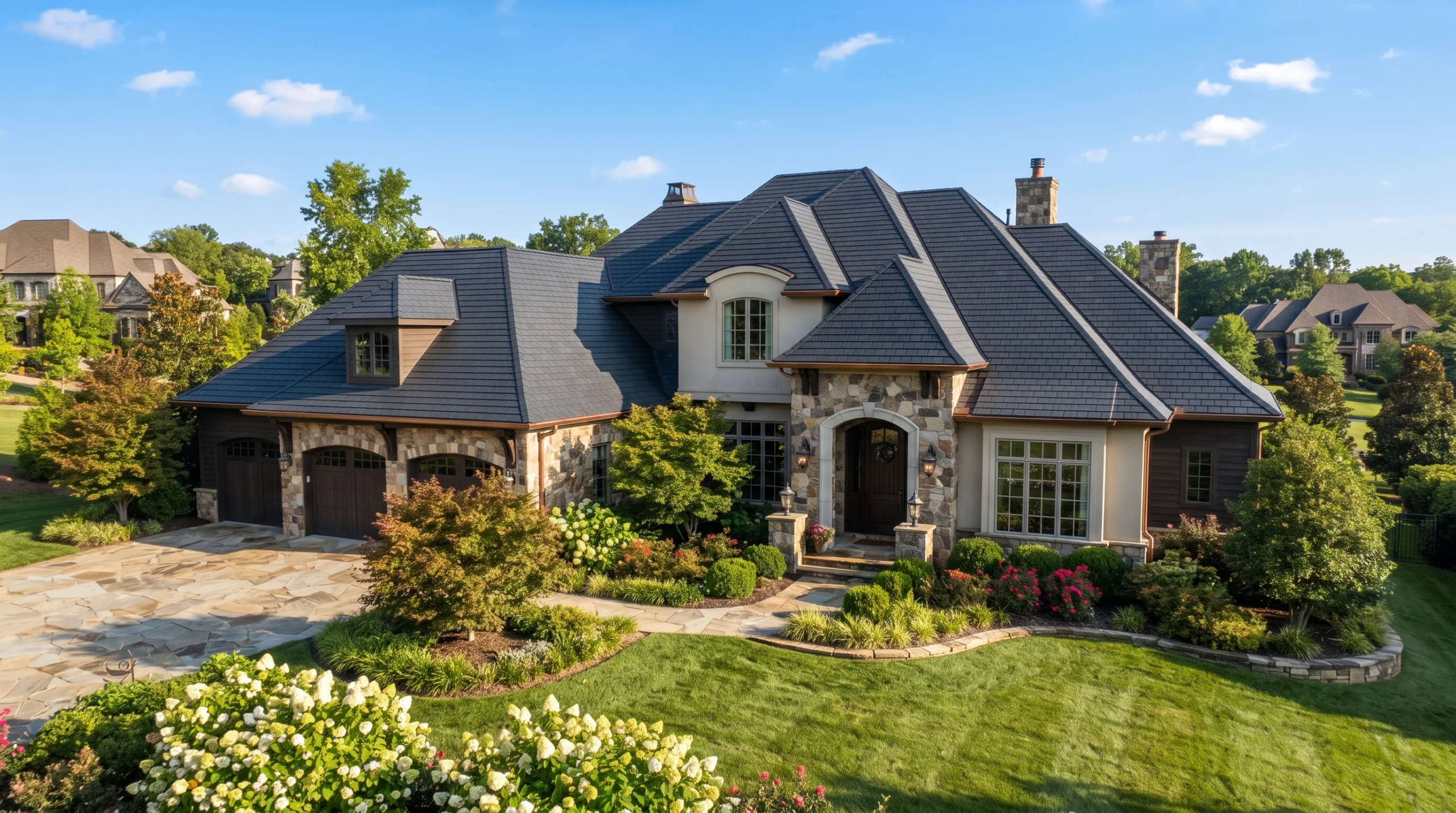
How Long Does a Shingle Roof Last in Brentwood, TN? A Homeowner’s Guide to Climate, Materials & Maintenance
If you own a home in Williamson County, you have probably asked yourself how long a shingle roof in Brentwood, […]
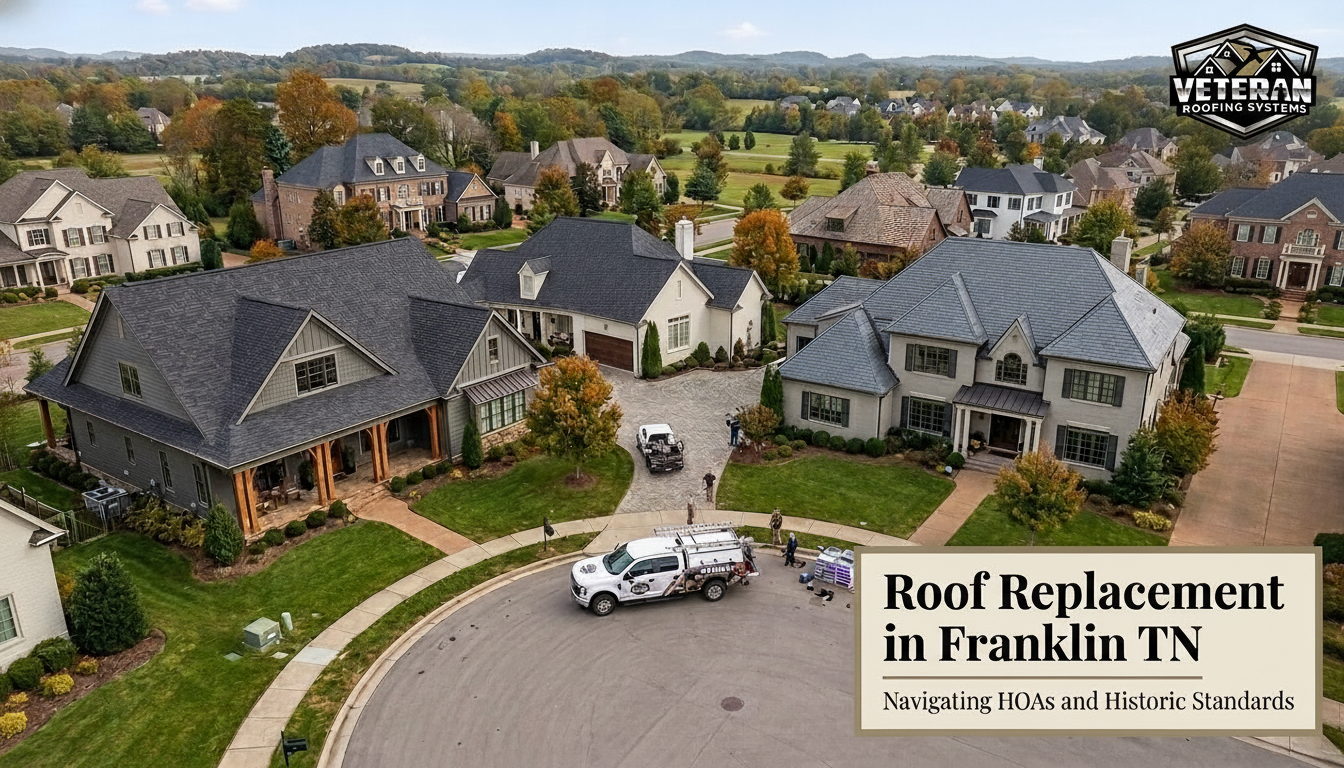
Roof Replacement in Franklin TN: Navigating HOAs and Historic Standards
The architectural landscape of Franklin, Tennessee, is a masterclass in Southern elegance. From the historic charm of downtown estates to […]
Read More… from Roof Replacement in Franklin TN: Navigating HOAs and Historic Standards
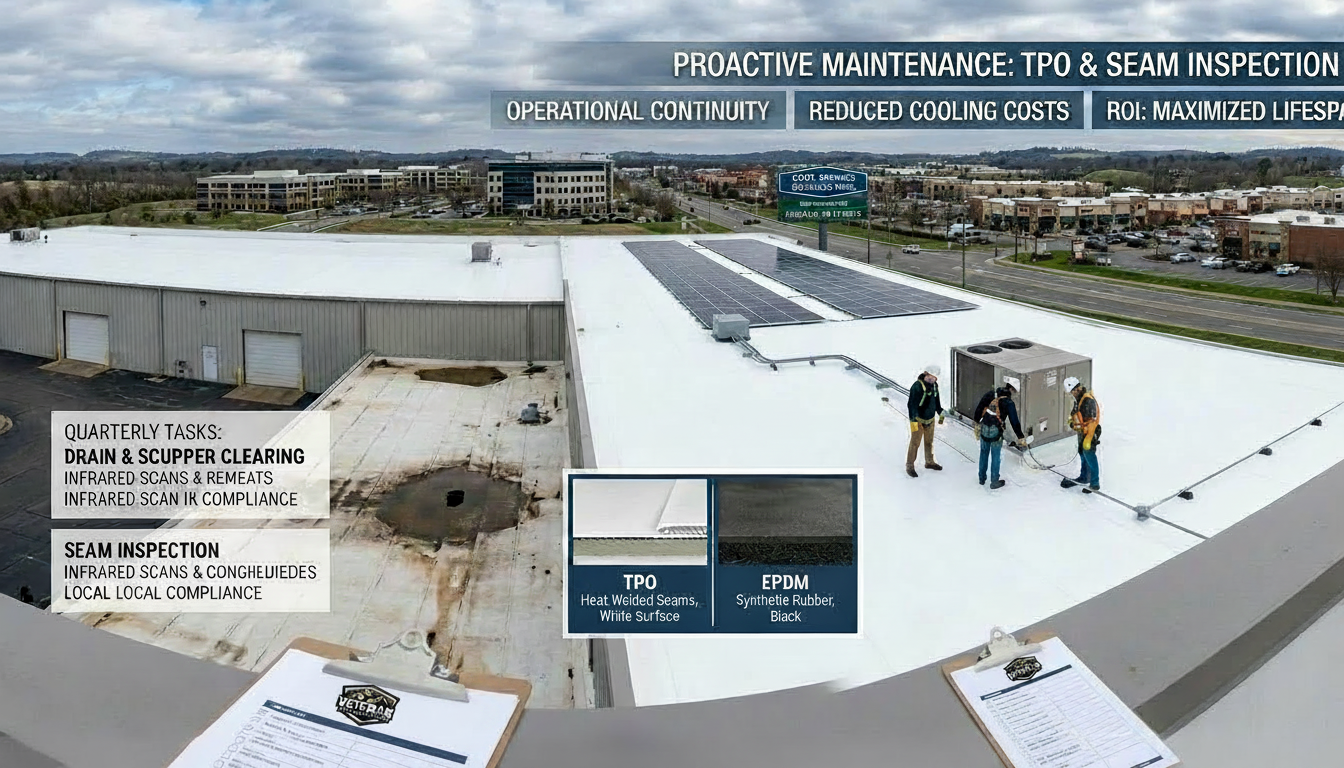
The Ultimate Guide to Commercial Flat Roof Repairs in Franklin & Brentwood
For business owners and property managers in Williamson County, a roof is more than just a structural necessity it is […]
Read More… from The Ultimate Guide to Commercial Flat Roof Repairs in Franklin & Brentwood