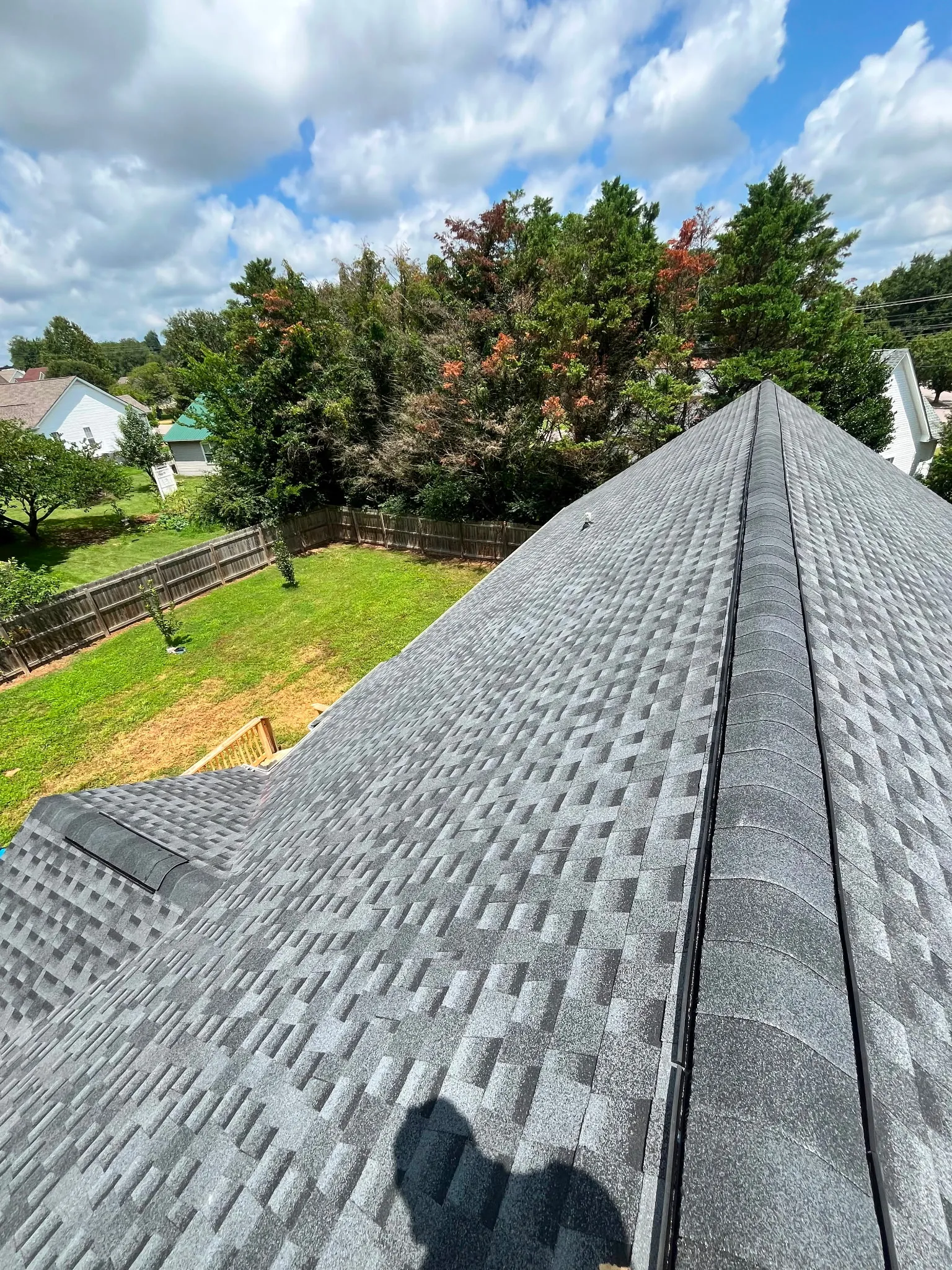
Reading through a roof warranty guide for Columbia TN homeowners before signing a contract can save you from an unpleasant surprise years down the road. Most homeowners assume a roof warranty is one simple promise, but it is usually two separate warranties covering completely different things, with very different rules about what voids them.
This guide breaks down exactly what each type of warranty actually protects, what commonly gets excluded, and what questions to ask your contractor before installation begins. For homeowners in the area, Roofing Columbia TN is a good place to start if you want a professional opinion alongside this warranty breakdown.
Two Warranties, Not One
Every asphalt shingle roof typically comes with two separate warranties rather than a single blanket guarantee. Understanding the difference between them matters more than most homeowners realize until something goes wrong.
- Manufacturer warranty: Covers defects in the shingles, underlayment, and accessories themselves
- Workmanship warranty: Covers installation errors made by the roofing contractor
A manufacturer warranty only protects you if the materials fail due to a factory defect. If a leak develops because of how the roof was installed, that falls under the workmanship warranty instead, which comes from your contractor rather than the shingle manufacturer.
Manufacturer Warranty Tiers Explained
Not all manufacturer warranties offer the same level of protection. According to GAF’s residential warranty comparison guide, coverage scales up significantly based on which tier your contractor is certified to offer.
| Warranty Tier | Tear-Off & Disposal | Workmanship Coverage | Contractor Requirement |
| Standard Shingle & Accessory | Not covered | Not covered | None |
| System Plus | Covered | Not covered | Basic accessory installation |
| Silver Pledge | Covered | 10-15 years | GAF Certified Plus or Master Elite |
| Golden Pledge | Covered | 25-30 years, non-prorated | GAF Master Elite only |
The higher tiers require a factory-certified contractor to install the system, which is why the choice of contractor directly affects how much warranty protection you actually qualify for on a full roof replacement.
What Voids a Manufacturer Warranty
Manufacturer warranties come with conditions that are easy to accidentally violate, even with good intentions. A few common issues can void coverage entirely.
- Improper installation, even if the materials themselves are not defective
- Inadequate attic ventilation, which most major shingle warranties require by code
- Using incompatible accessory products from a different manufacturer
- Skipping warranty registration when the enhanced tier requires it
- Unauthorized repairs performed by someone other than a certified contractor
Workmanship Warranty: What It Actually Covers
A workmanship warranty is a separate promise from your roofing contractor, not the shingle manufacturer, covering mistakes made during installation. According to the National Roofing Contractors Association, workmanship warranty terms vary significantly between contractors, ranging from just one or two years at the low end to a decade or more from established local companies.
This warranty typically covers issues like incorrect flashing installation, improper nailing patterns, and leaks that trace back to installation error rather than a defective shingle.
Manufacturer vs Workmanship: Side by Side
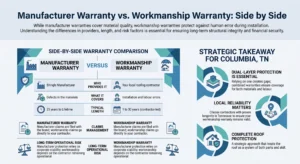
Since these two warranties cover entirely different failure points, this roof warranty guide Columbia TN homeowners compares them directly below.
| Factor | Manufacturer Warranty | Workmanship Warranty |
| Who provides it | Shingle manufacturer | Your roofing contractor |
| What it covers | Material defects | Installation errors |
| Typical length | 25 years to lifetime | 1 to 30 years depending on contractor |
| Claims process | Filed with the manufacturer | Filed with the contractor directly |
| Risk factor | Manufacturer stays in business long-term | Depends on contractor remaining operational |
What Neither Warranty Typically Covers
Both warranty types have significant blind spots that surprise homeowners when they need coverage most.
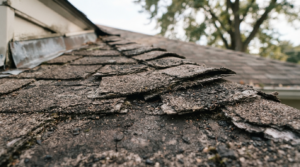
- Storm damage from hail, wind, or falling debris
- Normal wear and aging that occurs naturally over time
- Damage from tree limbs, animals, or accidents
- Pre-existing structural issues unrelated to the roofing materials themselves
Storm-related damage typically falls under your homeowners insurance policy rather than either roofing warranty. Filing a roofing insurance claim is usually the correct path when a covered weather event causes the damage.
Warranty Transferability
Many manufacturer warranties can transfer to a new homeowner if the property sells within a certain window, often 20 years from installation. This detail matters more than it might seem, since a transferable warranty can be a genuine selling point when a home eventually goes on the market.
Confirm the transfer window and process directly with your contractor at installation, since missing the paperwork deadline can forfeit this benefit entirely for a future buyer.
Verifying Your Contractor’s Certification Level
Higher warranty tiers require specific contractor certifications, so it is worth confirming this before signing a contract rather than assuming any contractor can offer top-tier coverage.
- Ask which certification level your contractor currently holds with the manufacturer.
- Request written confirmation of which warranty tier applies to your specific project.
- Verify the contractor’s license through your state’s contractor licensing board.
- Ask about workmanship warranty length separately from the manufacturer warranty terms.
- Get the warranty registration confirmation in writing after installation is complete.
The Tennessee Board for Licensing Contractors provides a license verification tool that confirms a contractor is properly licensed before you commit to a project involving higher-tier warranty coverage. If you are still unsure which tier fits your budget, requesting a free inspection is a good next step.
Questions to Ask Before You Sign
A contractor who answers these questions clearly is generally more trustworthy than one who glosses over warranty details.
- What manufacturer warranty tier will this installation qualify for?
- What is your personal workmanship warranty term, separate from the manufacturer’s coverage?
- What voids each warranty, and how do you prevent that during installation?
- Is the warranty transferable if I sell the home?
- Will you provide written registration confirmation after the job is done?
Reviewing consumer guidance from the Better Business Bureau before hiring can also help homeowners spot red flags before signing anything, which is exactly the kind of due diligence this roof warranty guide Columbia TN homeowners relies on is meant to support.
Frequently Asked Questions
Q: What is the difference between a manufacturer and workmanship roof warranty?
A: A manufacturer warranty covers defects in the materials themselves, while a workmanship warranty covers mistakes made during installation. Most roofs need both types of coverage for complete protection against different kinds of failures.
Q: How long does a typical roof warranty last in Columbia TN?
A: Manufacturer warranties often run 25 years to a lifetime term, while workmanship warranties vary widely by contractor, ranging from one year at the low end to 25 years or more from certified installers.
Q: Why should I care about my contractor’s certification level?
A: Higher-tier manufacturer warranties, including extended workmanship coverage, are only available when installation is performed by a contractor holding the required factory certification for that specific tier.
Q: What voids a roof warranty most often?
A: Improper installation and inadequate attic ventilation are among the most common reasons manufacturer warranties get denied, even when the shingles themselves have no actual defect.
Q: What should I expect if I need to file a warranty claim?
A: Expect to provide proof of purchase or installation, a description of the issue, and possibly an inspection to determine whether the cause falls under warranty coverage or a separate issue like storm damage.
Q: Do roof warranties cover storm or hail damage?
A: No, storm and hail damage typically fall outside both manufacturer and workmanship warranties. That kind of damage is generally handled through a homeowners insurance claim instead.
Q: Can I transfer my roof warranty if I sell my home?
A: Many manufacturer warranties allow transfer to a new owner within a set window, often around 20 years from installation, though the process and paperwork requirements vary by manufacturer.
Q: How do I choose a contractor who can offer strong warranty coverage?
A: Look for verified manufacturer certification, ask directly about their workmanship warranty length, and confirm licensing through your state’s contractor board before signing any agreement.
Final Thoughts
A roof warranty guide for Columbia TN homeowners really comes down to one core idea: know which warranty covers what and confirm your contractor’s certification before installation begins. The strongest warranty on paper means little if the contractor installing your roof cannot offer that tier of coverage.
If you want a clear explanation of what warranty options apply to your specific project, our team is happy to walk you through it. Call us now at (931) 225-9987 to schedule an inspection.

Commercial Roofing Contractors Memphis TN for Offices and Warehouses
Finding dependable Commercial Roofing Contractors Memphis TN offers is a critical step for business owners who want to secure their […]
Read More… from Commercial Roofing Contractors Memphis TN for Offices and Warehouses

Roof Insurance Claim Guide – How to File a Claim After Storm or Hail Damage
Introduction If your roof was damaged by a recent storm or hail, don’t panic.This roof insurance claim guide will help […]
Read More… from Roof Insurance Claim Guide – How to File a Claim After Storm or Hail Damage

Emergency Roof Repair Franklin TN Fast, Local Solutions When You Need Them Most
Roof damage doesn’t wait. Whether caused by high winds, heavy rain, hail, or fallen limbs, sudden roofing problems can turn […]
Read More… from Emergency Roof Repair Franklin TN Fast, Local Solutions When You Need Them Most