
Understanding the Types of Roofing Materials is essential for creating a roof that delivers superior protection, long-term durability, and refined aesthetics for both residential and commercial properties. A well-designed roof acts as the primary shield against weather extremes, supports energy efficiency by maintaining indoor comfort, and significantly enhances the architectural character of any building. The choice of material plays a critical role in determining overall performance, lifespan, maintenance demands, and even the future resale value of the property, making it a key consideration for homeowners, architects, and construction professionals.
1. Why Selecting the Correct Roofing Material Is Important
A carefully selected roofing material guarantees:
- Durability: While certain materials need to be replaced frequently, others last for decades.
- Energy Efficiency: Some materials lower cooling expenses by reflecting sunlight.
- Maintenance Requirements: While some roofs require little care, others require frequent attention.
- Aesthetic Appeal: The building’s value and look are improved by the appropriate roof.
Understanding the Types of Roofing Materials helps property owners make informed decisions, balancing cost, performance, and design.
2. Common Types of Roofing Materials
Solar Tiles
Solar tile roofing integrates photovoltaic cells directly into the roof surface, enabling your home to generate electricity while protecting it from the environment. This option can significantly reduce energy bills if enough sunlight is available.
Asphalt Shingles
Asphalt shingles are one of the most common roofing materials used on homes due to their affordability and ease of installation. They are typically made from a fiberglass base coated with asphalt and mineral granules.
Metal Roofing
Metal roofs are available in panels, shakes, and tiles made from materials like steel, aluminum, copper, and stone‑coated steel. They are known for their durability and resistance to the elements.
Slate Roofing
Slate is a natural stone roofing material famous for its timeless beauty and extraordinary durability. It offers a classic aesthetic with unmatched longevity.
3. Tile & Functional Roofing Materials
Clay Tiles
Clay tiles are traditional roofing materials, valued for their beauty and performance, especially in hot climates. These tiles are made by molding and firing natural clay.
Concrete Tiles
Concrete tiles offer many of the same benefits as clay without the same expense and come in a variety of styles that mimic wood, slate, or traditional tiles.
Green Roofing (Living Roofs)
Green roofs feature vegetation planted over a waterproof membrane and provide excellent insulation while improving air quality and managing stormwater runoff.
Rolled Roofing
Rolled roofing is a cost‑effective and simple solution typically used on low‑slope surfaces. It’s available in long, continuous sheets.
4. Modern & Flat Roof Options
Membrane Roofing
Membrane roofing is often used for flat or low‑slope roofs. EPDM (rubber), PVC, and TPO are common membrane types that offer waterproofing and durability.
Built‑Up Roofing (BUR)
Built‑Up Roofing was once a very common flat‑roof material made from multiple layers of asphalt and reinforcing fabrics
Wood Roofing
Wood roofs (shingles and shakes) provide a beautiful, classic look and are one of the more eco‑friendly options when sustainably sourced.
- Aesthetics: Choose materials that enhance architectural style.
- Energy Efficiency: Reflective or insulated materials reduce energy costs.
- Maintenance Requirements: Some roofs need frequent upkeep.
- Environmental Impact: Consider recyclable or sustainable materials.
Synthetic Composite Shingles
Synthetic composite shingles are engineered to replicate wood, slate, or tile while offering superior durability and fewer maintenance needs.
5. How to Choose the Right Roofing Material
Selecting the best Types of Roofing Materials involves balancing performance, aesthetics, durability, maintenance, and budget. Consider:
- Climate: Materials like metal or slate are excellent in wind and snow, while clay and tile suit hot climates.
- Weight: Heavy options like slate and tile may require structural reinforcement.
- Maintenance: Some materials (like rolled roofing or wood) need more frequent care.
- Lifespan: Synthetic and metal roofing often last longer with fewer repairs.
6. Composite and Synthetic Roofing Materials
Composite and synthetic roofing materials are modern roofing solutions designed to replicate the appearance of traditional materials such as slate, wood, and clay while offering enhanced durability and performance. These materials are manufactured using advanced polymers, recycled plastics, rubber, and engineered composites, making them a popular choice for both residential and commercial buildings.
7. Rubber Flat Roof Roofing (EPDM)
Rubber flat roof roofing, commonly known as Residential Roofing, is a widely used solution for flat and low-slope roofs in both residential and commercial buildings. EPDM is a synthetic rubber membrane known for its exceptional durability, flexibility, and resistance to extreme weather conditions.
8. Living Roofs, or Green Roofs
Living roofs, also referred to as green roofs, are an environmentally friendly roofing system that incorporates vegetation layers installed over a waterproof membrane. These roofs are designed to improve energy efficiency, manage stormwater runoff, and enhance urban sustainability.
9. Roofing that is built up (BUR)
Built-Up Roofing (BUR) is one of the oldest and most trusted roofing systems used primarily for Trusted Roofing. This system consists of multiple layers of asphalt or bitumen combined with reinforcing fabrics, creating a thick and durable roofing surface.
10. Tile Roofing: Concrete vs. Clay
Tile roofing provides long-lasting performance and aesthetic appeal. While clay tiles are traditional and elegant, concrete tiles offer similar benefits at a more affordable price.
Clay Tiles:
- Lifespan: 50–100 years
- Fire-resistant and excellent insulation
- Premium aesthetic
Concrete Tiles:
- Lifespan: 40–60 years
- Durable and cost-effective
Wide range of colors and finishes
Considerations for Specialty Roofing
When selecting advanced Types of Roofing Materials, consider:
- Weight: Some materials require reinforced structures.
- Maintenance: Green roofs and wood require ongoing upkeep.
- Climate Resistance: Materials must withstand local weather conditions.
- Cost vs Longevity: Evaluate upfront cost against expected lifespan.
- Energy Efficiency: Consider reflective or insulating properties.
- Environmental Impact: Sustainable or recyclable materials are preferable.
Proper Installation Tips for Different Roofing Materials
1. Asphalt Shingles
- Ensure proper underlayment and waterproofing membranes are installed.Use corrosion-resistant nails and fasteners.
2. Metal Roofing
- Install panels perpendicular to the roof slope for better water runoff.
- Seal seams with high-quality sealant to prevent leaks.
- Use metal clips or fasteners suitable for the type of metal used.
3. Clay and Concrete Tiles
- Ensure roof framing can support the weight of the tiles.
- Use proper underlayment and spacing for thermal expansion.
- Install tiles with correct overlap to prevent water penetration.
4. Slate Roofing
- Only experienced professionals should install slate due to its weight and fragility.
- Use stainless steel fasteners to prevent corrosion.
- Ensure proper flashing and waterproofing under the tiles.
5. Wood Shingles and Shakes
- Apply fire-retardant treatment and insect-resistant coatings.
- Space shingles to allow airflow and prevent mold growth.
- Replace damaged or warped shingles promptly.
6. Synthetic Roofing Materials
- Follow manufacturer guidelines for overlapping, fastening, and spacing.
- Ensure proper ventilation to prevent heat accumulation.
- Regularly inspect edges and fasteners to maintain integrity.
7. Green Roofs
- Ensure waterproofing membrane is properly installed before planting vegetation.
- Include a drainage system to prevent water pooling.
- Use lightweight soil and select plants suitable for your climate.
8. Built-Up Roofing (BUR)
- Apply multiple layers of asphalt and reinforcing fabrics evenly.
- Install gravel or reflective coating for UV protection.
- Inspect seams and flashing for long-term waterproofing.
9. Rubber Roofing (EPDM)
- Ensure seams are glued and sealed properly.
- Avoid punctures during installation and use protective mats if needed.
- Inspect edges regularly to prevent leaks
Energy Efficiency Considerations
Modern construction emphasizes energy-efficient roofing materials. Selecting the right Types of Roofing Materials can significantly reduce heating and cooling costs.
- Reflective coatings on asphalt and metal roofs reduce heat absorption.
- Green roofs provide natural insulation, lowering indoor temperatures in summer and retaining heat in winter.
- Clay and concrete tiles naturally reflect sunlight, improving energy efficiency.
- Metal roofs can be coated with reflective finishes to reduce heat gain.
Energy-efficient roofing not only lowers utility bills but also contributes to sustainable building practices.
Environmental Impact and Sustainability
Sustainable roofing practices are increasingly important for modern buildings:
- Recyclable materials: Metal, rubber, and synthetic shingles can often be recycled.
- Eco-friendly materials: Green roofs and sustainably sourced wood shingles reduce environmental footprint.
- Durable long-lasting materials: Slate, clay, and concrete tiles minimize waste by lasting decades.
Choosing eco-friendly Types of Roofing Materials contributes to green building certifications and reduces environmental impact
Design and Aesthetic Considerations
A roof is not just functional; it defines the overall look of a building:
- Match roofing materials to architectural style (e.g., clay tiles for Mediterranean homes, slate for heritage buildings).
- Consider color, texture, and roof slope for visual harmony.
- Blend durability with aesthetics for a premium appearance that also performs well in your climate.
Final Recommendations for Homeowners and Builders
- Balance Cost and Longevity: Evaluate initial installation cost against lifespan and maintenance.
- Climate-appropriate Choice: Choose materials that withstand local weather extremes.
- Professional Installation: Hire certified roofing contractors to ensure proper installation and warranty validity.
- Maintenance Planning: Regular inspections extend the life of any roofing system.
- Energy and Sustainability: Consider reflective, insulating, and eco-friendly options for long-term savings and environmental impact.
Conclusion
Choosing the right Free Estimate is a critical decision that affects a building’s durability, energy efficiency, aesthetics, and overall value. From cost-effective asphalt shingles to luxurious slate, modern synthetic options, eco-friendly green roofs, and flat commercial roofing solutions, every material has unique benefits and considerations.
By carefully evaluating your building’s needs, climate, budget, and maintenance requirements, you can select a roofing solution that protects your property for decades while enhancing its beauty and performance. Investing in the right roofing material ensures safety, sustainability, and peace of mind for homeowners, architects, and commercial property owners alike.
Reviews
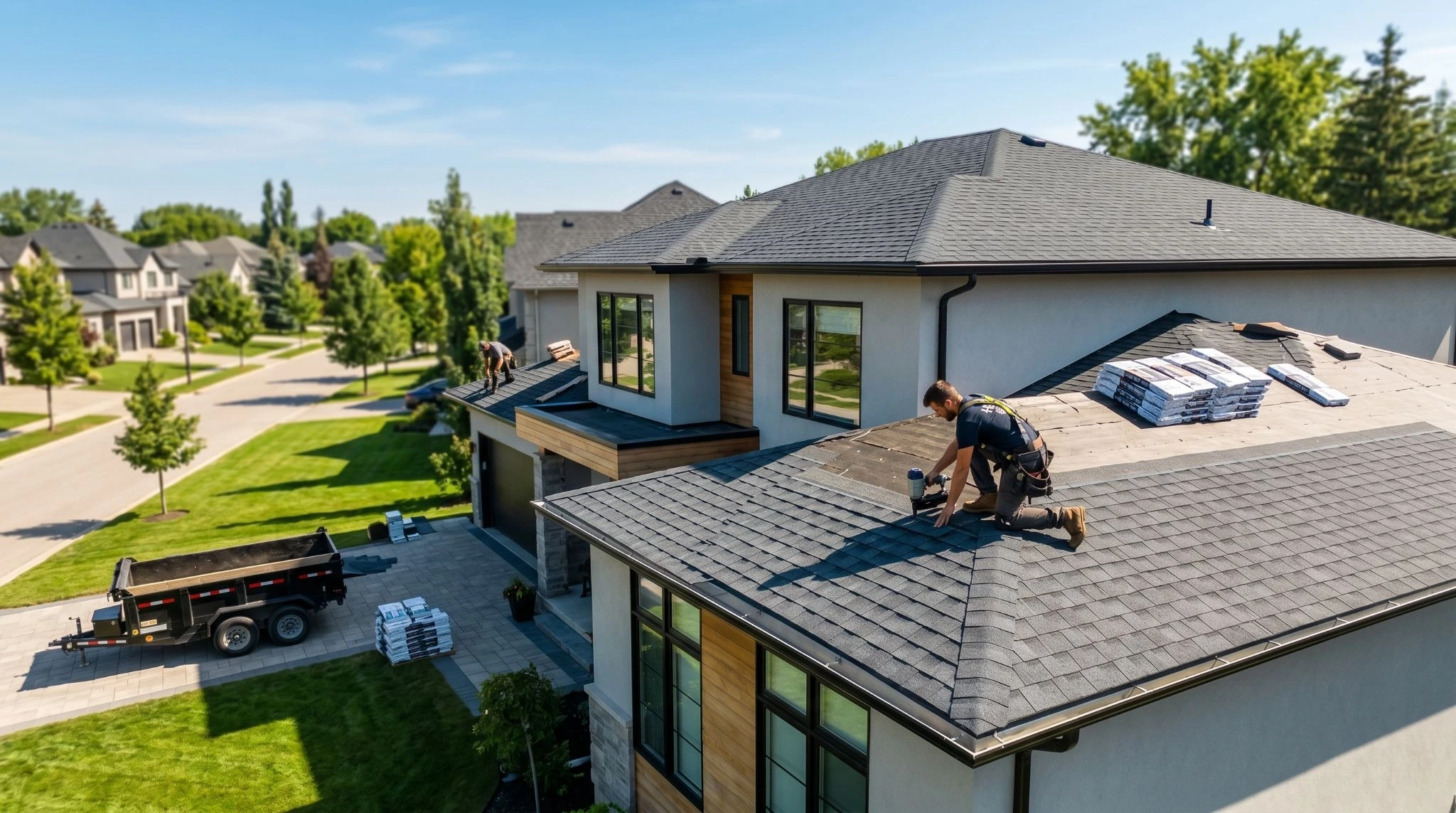
Expert Roof Replacement in Spring Hill: What Homeowners Need to Know
When your home faces the brunt of shifting Middle Tennessee weather, maintaining a secure and reliable roof over your head […]
Read More… from Expert Roof Replacement in Spring Hill: What Homeowners Need to Know

Metal Roofing Installation: Step-by-Step Guide for Homeowners
Metal Roofing Installation Has Become One Of The Most Reliable And Long-Term Roofing Solutions For Homeowners Across The United States. […]
Read More… from Metal Roofing Installation: Step-by-Step Guide for Homeowners
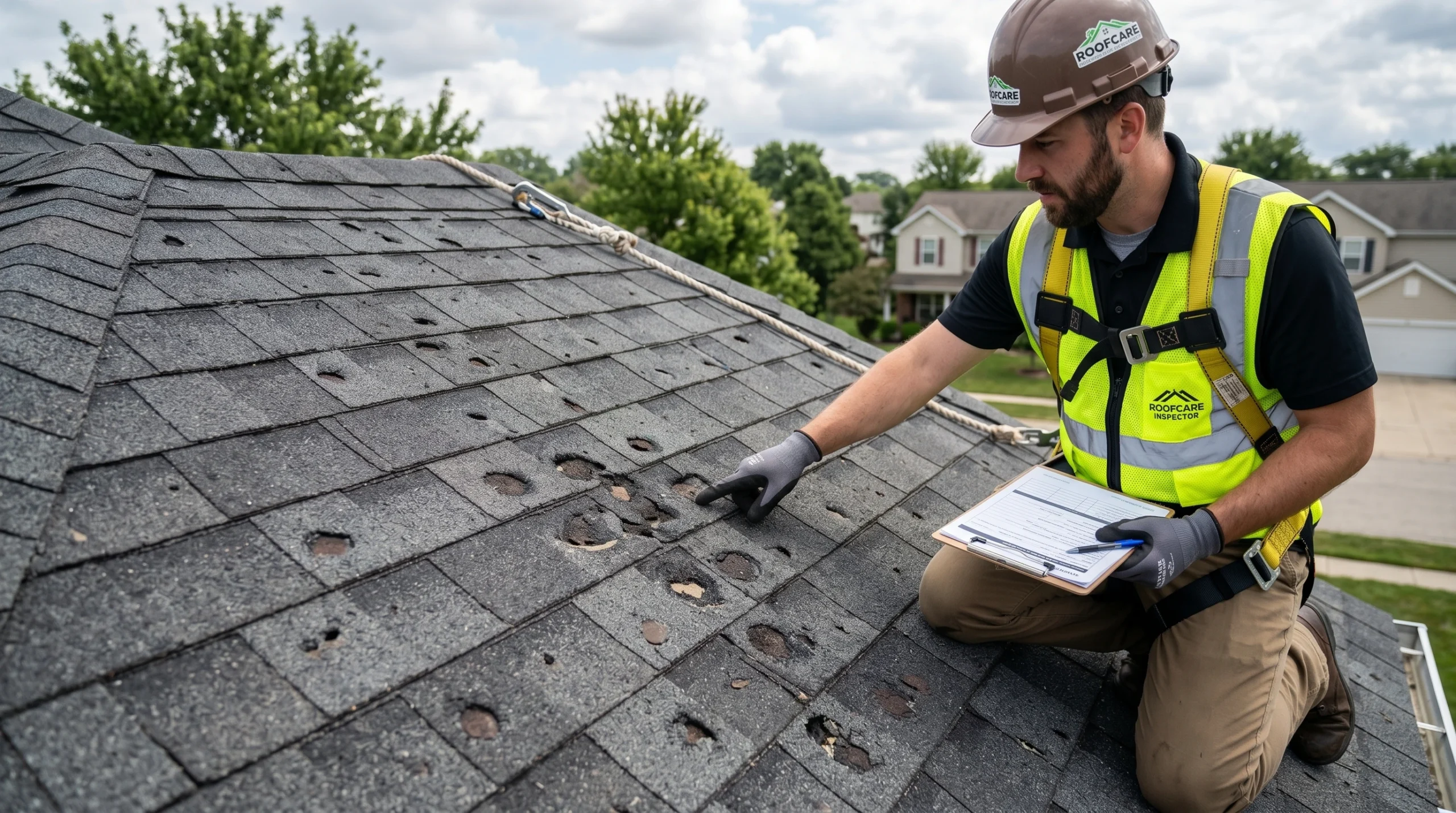
How to Identify Hail Damage On Roof: Signs & What to Do
The storms that roll through Middle Tennessee in the spring are legendary, but they often leave behind a parting gift […]
Read More… from How to Identify Hail Damage On Roof: Signs & What to Do