
If your roof was recently damaged by a storm, fallen tree, or high winds, you may be wondering how to get insurance to pay for roof replacement. While the process may feel overwhelming at first, the truth is that most homeowners do qualify for coverage if they follow the right steps. Insurance companies approve thousands of roof claims every year, but they require clear documentation, correct filing, and professional support to release full payment.
This guide explains exactly how to get insurance to pay for roof replacement, how to document storm damage, how the claims process works, and how roofing contractors help homeowners secure maximum coverage.
1. What Type of Roof Damage Does Insurance Cover?
Homeowners’ insurance typically covers roof replacement when the damage is caused by sudden, accidental events, such as:
-
Hailstorms
-
Windstorms
-
Tornadoes
-
Fallen trees or limbs
-
Fire or vandalism
Insurance does not cover aging shingles, poor ventilation, or general wear and tear. Your insurer wants proof that the cause was storm-related.
2. The Most Important Step
Document Storm Damage Properly Insurance companies will only approve roof replacement if you can show clear evidence of what happened. Before anything else, take the following steps:
Take photos of visible roof damage
Include cracked shingles, missing shingles, dents, bruising, and debris impact.
Take videos of active leaks
Interior water stains help prove recent damage.
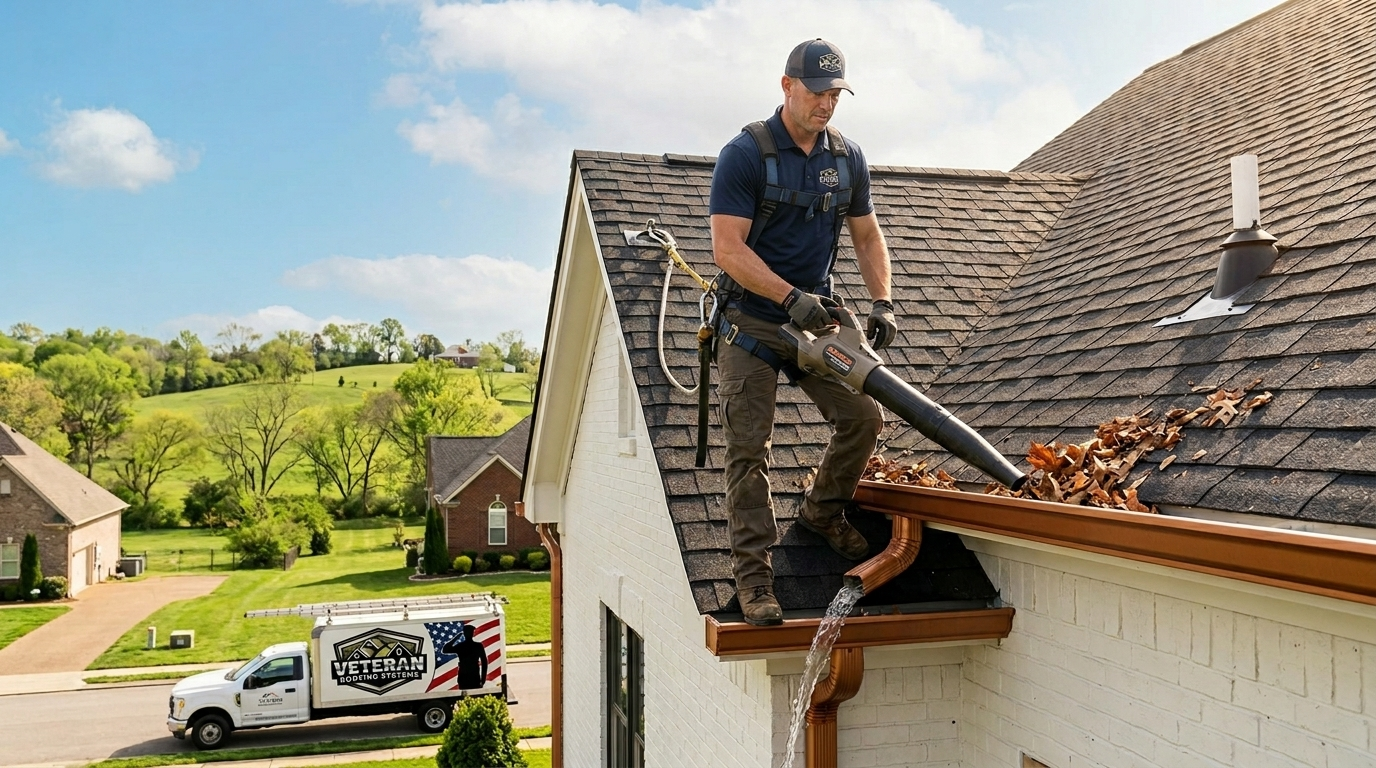
Record gutter debris
Shingle granules in gutters are strong indicators of hail damage.
Use weather verification
You can confirm storm activity in your area through official NOAA data
Documenting the damage correctly dramatically increases your chances of getting insurance to pay for roof replacement.
3. Contact a Roofing Contractor Before Calling Insurance
This is the biggest mistake homeowners make. Many people call their insurance company first without a roofing expert’s report. Unfortunately, this gives adjusters an opportunity to minimize the claim.
A roofing contractor should inspect your property first because they:
-
Identify storm damage insurance adjusters often overlook
-
Provide a written inspection report
-
Explain exactly how to get insurance to pay for roof replacement
-
Meet your adjuster on-site
-
Help prevent claim denial
A roofer’s documentation is a critical part of winning your claim.
4. File Your Insurance Claim Quickly
Most insurance companies require that storm-related claims be filed within 14–30 days, depending on your policy. When filing your claim, be ready to provide:
-
Policy number
-
Date of the storm
-
Type of damage
-
Photo and video documentation
-
Roofing contractor’s inspection report
5. The Adjuster Inspection
Once your claim has been filed, the insurance company will schedule an adjuster to inspect the roof. This is the moment your approval or denial will likely be determined.
Your roofer MUST be present for this inspection.
-
Adjusters often overlook subtle hail marks
-
Roofers demonstrate wind uplift patterns
-
Roofers argue for code-required repairs
-
Contractors ensure the adjuster documents damage correctly
Homeowners can also reference FEMA’s wind damage guidelines for more clarity:
A roofer’s presence at this meeting is one of the main reasons homeowners successfully learn how to get insurance to pay for roof replacement.
6. Understanding Approval, Denial & Supplements
After your adjuster completes the inspection, the insurance company will send you a determination.
If approved:
You will receive two payments:
-
ACV (Actual Cash Value) – upfront
-
RCV (Replacement Cost Value) – after repairs
If underpaid:
Your roofer can file a supplement asking for additional funds.
If denied:
You may request:
-
A reinspection
-
A second adjuster
-
A contractor’s official damage report
-
A public adjuster evaluation
7. How Insurance Payments Actually Work
Insurance typically covers the full cost of roof replacement minus your deductible.
Payments include:
-
ACV (depreciated value)
-
RCV (full replacement value)
Understanding this structure is key to mastering how to get insurance to pay for roof replacement effectively.
8. How to Maximize Your Insurance Payout
Roofing contractors use proven strategies to ensure homeowners receive full coverage.
Include required building code upgrades
Insurance must pay for code compliance in most states.
Request Xactimate pricing
Insurance companies use Xactimate; roofers should match the format.
Add ventilation or decking upgrades
These are often required by code and must be covered.
Provide thorough photo documentation
More evidence = fewer disputes.
FEMA’s roofing reconstruction guidelines outline common code upgrades:
9. Common Mistakes That Lead to Claim Denials
Avoid these at all costs:
-
Calling insurance before calling a roofer
-
Filing a claim too late
-
Poor or missing documentation
-
Allowing adjusters to inspect alone
-
Starting repairs before approval
These errors reduce your chances of getting insurance to pay for roof replacement.
Conclusion
Learning how to get insurance to pay for roof replacement is essential for protecting your home after a storm. When you document damage correctly, file promptly, and work with a roofing contractor who understands insurance policies, you dramatically increase your chances of full approval.
Most homeowners end up paying only their deductible while insurance covers the rest.
Need help getting your roof replacement?
Contact Veteran Roofing Systems
Your local roofing experts will guide you through the entire insurance process from inspection to installation.
Reviews

Commercial Roof Replacement Cost: What to Expect and How to Plan (2026 Guide)
For commercial property owners and facility managers, a roof replacement is more than just a maintenance task; it is a […]
Read More… from Commercial Roof Replacement Cost: What to Expect and How to Plan (2026 Guide)

How Columbia TN’s Heat and Humidity Affect Roof Lifespan Columbia TN
How Climate Affects Roof Lifespan Columbia TN In Columbia TN, the weather is more than just a seasonal concern it’s […]
Read More… from How Columbia TN’s Heat and Humidity Affect Roof Lifespan Columbia TN
Spring Roof Maintenance Checklist for Spring Hill & Middle TN: The Ultimate 2026 Guide
Middle Tennessee winters are notoriously unpredictable. Within a single week in Maury or Williamson County, we can swing from freezing […]