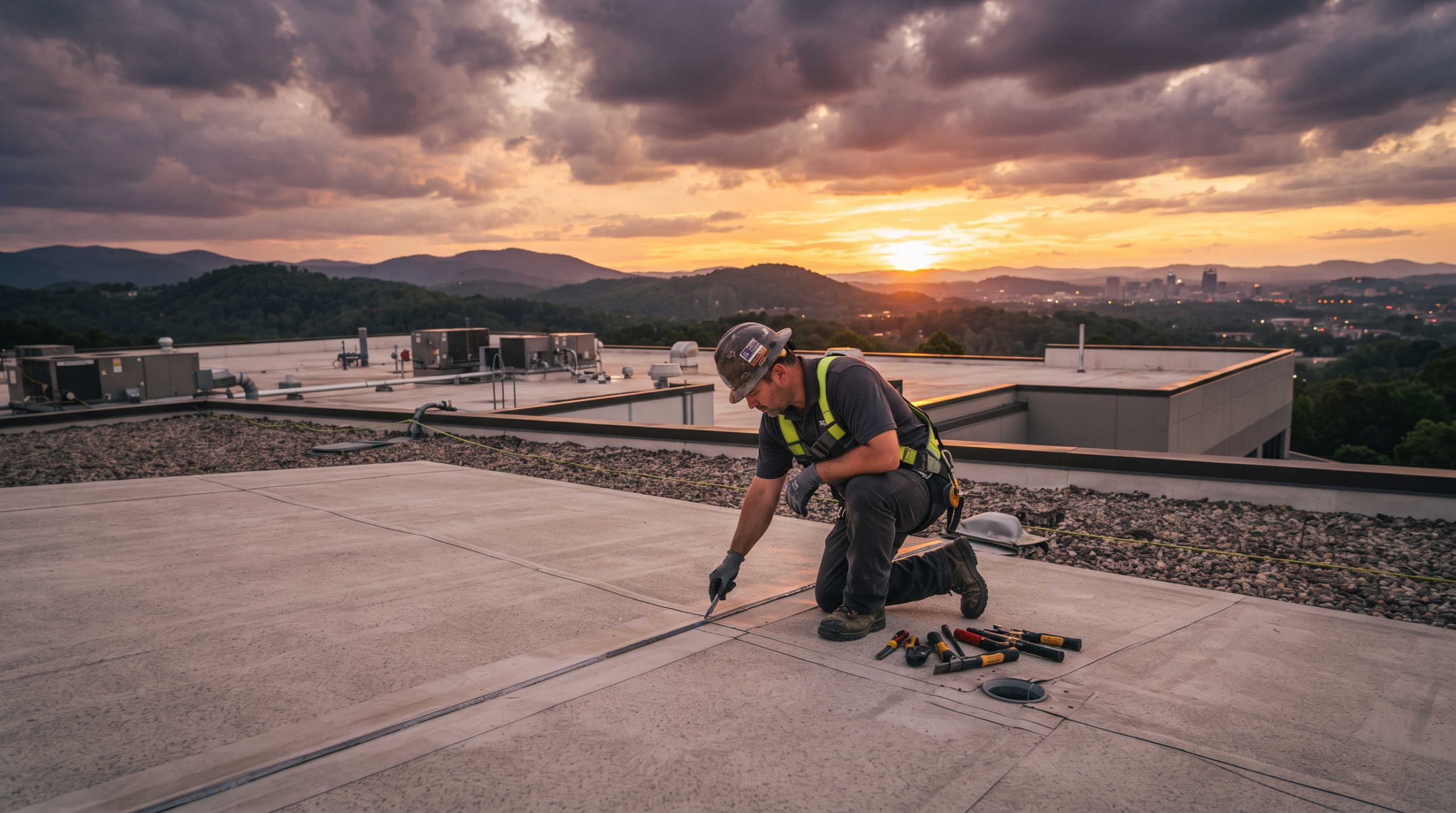
If you own a home or run a business in Tennessee, your roof is one of your biggest investments. Working with local commercial roofers who understand our state’s weather patterns can save you thousands in repair costs down the road. This guide walks Tennessee property owners through everything they need to know about roof inspections roof inspections from what happens during a visit to how to choose a contractor you can trust.
Tennessee weather is not gentle on roofing systems. Heavy summer storms, ice in winter, and constant humidity all wear down materials faster than most owners expect. According to the National Weather Service, Tennessee sees dozens of severe thunderstorm and hail events every year, and each one puts extra strain on commercial and residential roofs alike.
Why Regular Roof Inspections Matter
A roof rarely fails all at once. Small problems build up quietly until they turn into expensive emergencies. commercial roofing system Scheduling routine visits with local commercial roofers catches these issues before they spread across your property.
Regular inspections help you:
- Spot minor leaks before they damage insulation or drywall
- Extend the lifespan of your existing roofing system
- Keep manufacturer warranties valid and enforceable
- Avoid emergency repair costs that come with storm damage
- Stay compliant with insurance and local building code requirements
The Insurance Institute for Business recommends inspecting commercial roofs at least twice a year, plus after any major storm event. That advice applies directly to Tennessee properties, where hail and wind events are common throughout the year.
What’s Included in a Professional Roof Inspection
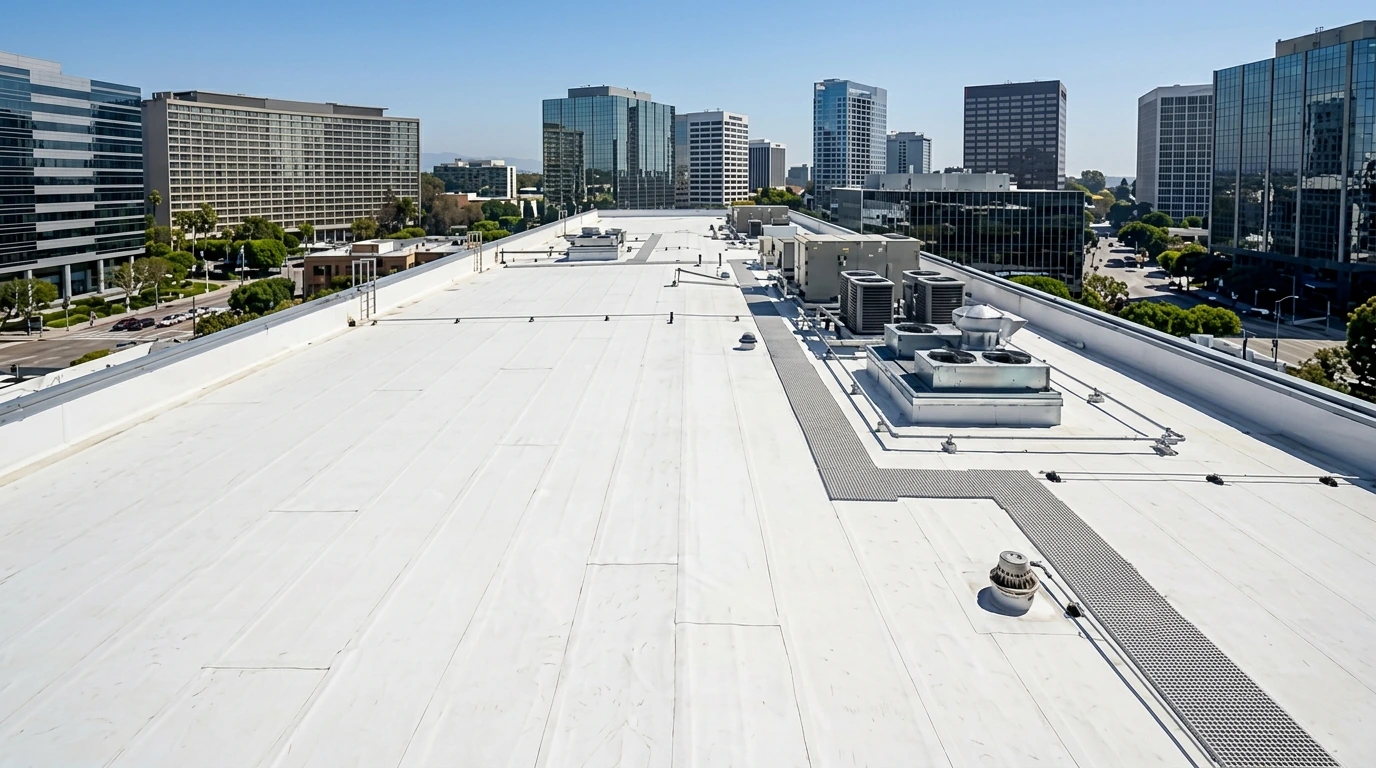
When you hire experienced local commercial roofers, the process usually covers several key areas of your commercial roofing system. A thorough inspection is not a quick walk around the parking lot.
Here is what a proper inspection typically includes:
- A visual survey of the entire roof surface for cracks, blistering, or ponding water
- A check of all seams, flashing, and penetrations around vents and HVAC units
- An inspection of gutters, drains, and downspouts for blockages
- A review of the underlayment for moisture intrusion
- Interior checks for ceiling stains or signs of active leaks
- A written report with photos and clear repair recommendations
Property managers should always ask for documentation after every inspection. This paper trail matters when filing insurance claims or planning your roof replacement budget for the coming year.
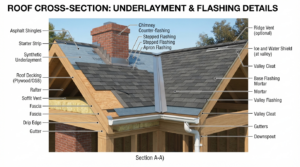
Why Your Roof Needs Underlayment and Flashing
Homeowners and business owners often hear these terms from contractors without a clear explanation. Understanding them helps you make smarter decisions during repairs.
Underlayment is the protective layer installed beneath your roofing material. It acts as a secondary barrier against water if the top layer fails or wears thin. Flashing is the metal material installed around joints, chimneys, and edges to direct water away from vulnerable areas.
| Feature | Underlayment | Flashing |
| Location | Installed beneath the entire roofing surface | Installed at joints, valleys, chimneys, and edges |
| Main job | Acts as a secondary barrier against water intrusion | Redirects water away from vulnerable connection points |
| Material | Felt, synthetic sheets, or self adhering membrane | Metal, usually aluminum, steel, or copper |
| Coverage | Covers the full roof deck | Covers specific weak points only |
| Common failure | Wears down from age and moisture over time | Loosens, rusts, or cracks from movement and weather |
Here is the difference between the two in simple terms:When either component fails, water finds its way into your building structure quickly. This is why routine maintenance matters just as much as the initial installation.
Why Your Roof Needs Underlayment and Flashing
Homeowners and business owners often hear these terms from contractors without a clear explanation. Understanding them helps you make smarter decisions during repairs.
Underlayment is the protective layer installed beneath your roofing material. It acts as a secondary barrier against water if the top layer fails or wears thin. Flashing is the metal material installed around joints, chimneys, and edges to direct water away from vulnerable areas.
Here is the difference between the two in simple terms:
- Underlayment protects the entire roof deck from moisture that gets past the surface layer
- Flashing targets specific weak points like valleys, skylights, and wall intersections
- Underlayment works as a flat barrier, while flashing is shaped to redirect water flow
- Damaged flashing is one of the most common causes of leaks that inspectors find
When either component fails, water finds its way into your building structure quickly. This is why routine maintenance matters just as much as the initial installation.
How Do I Know If a Roofing Contractor Is Legitimate?
Not every company that shows up after a storm is qualified to work on your property. Tennessee property owners should verify a few things before signing any contract or handing over a deposit.
Check for these signs of a legitimate contractor:
- A valid state license and proof of active liability insurance
- Positive reviews on the Better Business Bureau
- A physical business address, not just a phone number
- Manufacturer certifications from brands like GAF or Owens Corning
- A written estimate that outlines materials, labor, and timeline clearly
If a company pressures you to sign immediately or asks for full payment upfront, treat that as a warning sign. Trustworthy local commercial roofers stay transparent about pricing and timelines from the very first conversation.
What Questions Should I Ask Before Hiring a Commercial Roofer?
A short conversation before hiring can prevent months of frustration later. Bring a checklist to your first meeting with any contractor you are considering.
Ask about the following:
- How long have you worked on commercial roofs in Tennessee specifically?
- Can you provide references from similar properties nearby?
- What warranty comes with materials and labor separately?
- Who handles safety compliance and OSHA requirements on site?
- What is your process if weather delays the project timeline?
The roofing-insurance-claim publishes safety standards that legitimate roofing crews are expected to follow. Asking about compliance shows you are dealing with a professional operation rather than a temporary storm chasing crew.
How Much Should a Commercial Roof Replacement Cost?
Pricing varies widely depending on square footage, material type, and the condition of your existing structure. Rather than chasing the cheapest quote, compare estimates based on value and long term performance.
Factors that affect commercial roof replacement pricing include:
- Overall roof size and slope
- Material choice, such as TPO, EPDM, or standing seam metal
- Extent of underlying deck damage found during inspection
- Local labor rates across different regions of Tennessee
- Additional work like insulation upgrades or drainage improvements
The ENERGY STAR program notes that reflective commercial roofing materials can also reduce long term energy costs, which is worth factoring into your budget conversation with any contractor.
Getting three detailed quotes from established local commercial roofers gives you a realistic price range for your specific property type. A free inspection is always a good first step before committing to any number.
Signs You Need an Inspection Right Now
Some warning signs should never wait for your next scheduled visit. Contact a roofer immediately if you notice any of the following:
- Visible sagging anywhere on the roof deck
- Water stains spreading across interior ceilings
- Granules collecting inside gutters or downspouts
- Daylight visible through the attic or roof deck
- A sudden, unexplained spike in energy bills
Acting quickly on these signs often means the difference between a simple repair and a full roof replacement project.
Choosing Between Repair and Replacement
Many owners struggle to decide whether a repair is enough or if replacement makes more financial sense. Here is a simple way to think about it.
Repair typically makes sense when:
- Damage is isolated to one section of the roof
- The roof is under ten years old
- The underlying structure remains sound overall
Replacement usually makes sense when:
- Multiple leaks appear across different areas
- The roof is near or past its expected lifespan
- Repair costs start approaching half the price of a new system
An honest inspection report from local commercial roofers should lay out both options clearly, along with the pros and cons of each path for your specific property and budget.
Frequently Asked Questions
How Do I Know If a Roofing Contractor Is Legitimate? Check for a valid license, active insurance, verifiable reviews, and manufacturer certifications. A physical address and detailed written estimate are also strong signs of a legitimate business.
What Questions Should I Ask Before Hiring a Commercial Roofer? Ask about local experience, references, warranty terms, safety compliance, and how they handle weather delays. These answers reveal how professional and prepared a contractor really is.
Why Does My Roof Need Underlayment and Flashing? Underlayment protects your roof deck from moisture that slips past the top layer, while flashing directs water away from joints and edges. Both work together to prevent leaks.
How Much Should a Commercial Roof Replacement Cost? Costs depend on roof size, material, and existing damage. Getting several detailed quotes from established contractors gives you the clearest picture for your property.
What’s Included in a Professional Roof Inspection? A full inspection covers the roof surface, flashing, seams, drainage systems, underlayment condition, and interior signs of leaks, followed by a written report with recommendations.
Final Thoughts
Your roof protects everything underneath it, from your family to your daily business operations. Partnering with experienced local commercial roofers for regular inspections is one of the simplest ways to avoid costly surprises and extend the life of your investment.
Tennessee weather will keep testing your roofing system year after year without slowing down. Staying ahead of small issues through consistent inspections, honest contractor relationships, and informed decisions keeps your property protected no matter what the season brings. If you are due for an inspection, reach out to our team to schedule a visit and get a clear picture of your roof’s current condition.
Reviews

Corrugated Metal Roofing: Types, Benefits, and Applications
Corrugated metal roofing is a long-term roofing solution, not a budget shortcut. It is widely used across Spring Hill TN, […]
Read More… from Corrugated Metal Roofing: Types, Benefits, and Applications
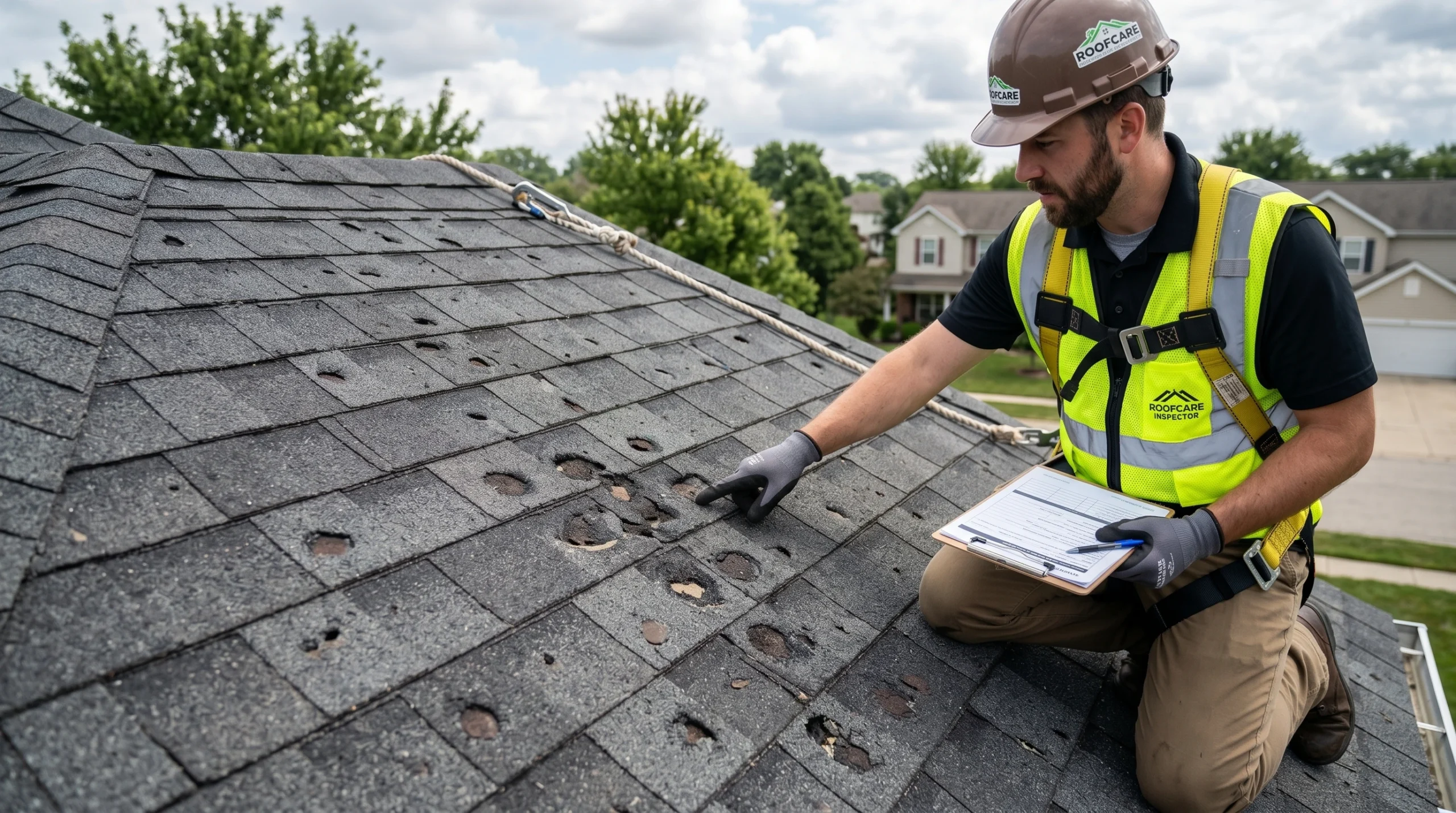
How to Identify Hail Damage On Roof: Signs & What to Do
The storms that roll through Middle Tennessee in the spring are legendary, but they often leave behind a parting gift […]
Read More… from How to Identify Hail Damage On Roof: Signs & What to Do
Commercial PVC Roofing in Brentwood: The Ultimate Guide for Businesses
Every business owner knows that a reliable facility starts with a solid roof. Property managers across Tennessee face unique weather […]
Read More… from Commercial PVC Roofing in Brentwood: The Ultimate Guide for Businesses