
Storm damage roof replacement in Thompson’s Station, TN runs in a sequence: temporary protection, documentation, an adjuster’s inspection, a scope of loss that is often wrong on the first pass, then materials, then a crew on your roof for a day or two. Homeowners who understand the order of it get better outcomes than homeowners who call a contractor first and their insurer second.
The Thompson’s Station area sits in a corridor that takes hail and straight-line wind more often than most of Williamson County, and Spring Hill, which straddles the Maury and Williamson County line, catches the same cells. The damage after those storms is frequently invisible from the driveway, which is why the paperwork matters as much as the repair.
The first 48 hours
Protect the house first and argue about the money later. If water is coming in, stop it: a tarp over the damaged area, buckets under active drips, and plastic anywhere water is tracking toward drywall. Most policies cover the reasonable cost of protecting the property after a covered loss, because the insurer would rather pay for a tarp than for a ceiling, insulation, and a floor.
Photograph everything before anyone touches it. Wide shots of each elevation, close shots of the damaged area, and a photo of anything that came off the roof. Then photograph the interior wherever water reached.
Call the insurer and open the claim before you call a roofer. Most policies require prompt notice and give the insurer the right to inspect before permanent repairs begin. A roof torn off and replaced before an adjuster sees it turns a straightforward claim into a documentation fight.
Do not sign anything a door knocker hands you on day one. Signing a contract or an assignment of benefits before you know your claim status is how homeowners end up arguing with a company they never chose.
What to document before the adjuster arrives
The adjuster writes the scope from what is visible on the roof. Anything you can show them about what happened on the ground makes the report more complete.
Keep a dated list of when the storm hit, what you heard, and what you saw afterward. Photograph the gutters for granule buildup, the ground for shingle pieces, and any dented metal on the roof itself: vents, flashing, ridge caps, and gutters all take hail marks that shingles sometimes hide. Photograph the attic and the ceiling stains with a tape measure in the frame so the size is on the record. Keep the tarp receipt and any hotel or repair receipts if water made part of the house unusable.
If neighbors have the same damage, say so. Claims are written one address at a time, and a street where four roofs were damaged in the same hour is a documented event.
What the adjuster actually does
The adjuster walks the roof, measures it, and writes a scope of loss. That document is a line-by-line estimate: squares of shingles, underlayment, ridge vent, flashing, valley treatment, a decking allowance per sheet, and the labor to install it. It also states whether the policy pays replacement cost or actual cash value.
Two terms decide your out-of-pocket number. Replacement cost value pays to put a new roof on, minus your deductible. Actual cash value pays what the old roof was worth after depreciation, with the depreciation often released later once the work is complete and invoiced. On an actual cash value policy, your first check will look smaller than the quotes you are collecting, and that is not a mistake.
Tennessee policies, like most, carry deadlines for filing a claim and for any later dispute. Read those sections in your own policy rather than taking a number from a forum, because the language varies by carrier. The Tennessee Department of Commerce and Insurance publishes general consumer resources, but your own policy language governs the deadline.
How to read the scope of loss line by line
Squares are the roof area divided by 100, so a 2,400-square-foot roof with a simple pitch works out around 24 squares, plus waste. If the number on the scope is far below the measurement your contractor took, that is the first thing to query.
Underlayment, drip edge, ridge vent, and ice and water shield are separate line items, and a scope that omits them is not a cheaper claim; it is an incomplete one. The same goes for flashing, because chimney and pipe boot flashing are common leak points and are often the actual failure that started the water.
Decking is usually written as an allowance per sheet rather than a fixed quantity, since nobody knows how much is soft until the shingles come off. Code upgrade coverage is worth checking too: if the town inspector requires something that was not code when the house was built, the policy may or may not pay for it, and the answer is in your own coverage forms.
Overhead and profit, often abbreviated O and P, are normal on a claim that involves a general contractor coordinating trades. It is not padding, and a scope written without it on a job that needs it will come up short later.
The supplement and why the first estimate is rarely the last
The first scope is written from a walk of the roof. It routinely misses what nobody can see until the shingles come off: soft decking, deteriorated pipe boots, a hidden valley, or an ice and water shield line that has to be replaced to pass inspection. A supplement is the documented request to add those items.
This is where a local contractor earns their place. Photographs of rotten decking, an itemized written request, and a code reference for anything the town inspector requires go to the adjuster as one package. Insurers approve supplements routinely when the evidence is there and push back when it is not.
Ask your contractor for the supplement documentation before you sign a completion certificate. Once you sign that, you have agreed the job is done.
How long a storm damage roof replacement takes
| Stage | Typical timing | What holds it up |
| Emergency tarp, if needed | Same day | Crew availability after a wide storm |
| Claim opened, adjuster, scheduled | 1 to 3 days | Call volume after a county-wide event |
| Adjuster inspection and scope | 3 to 10 days | Roof access, whether the report is written on site |
| Supplement, if the scope missed items | 1 to 3 weeks | Documentation quality, adjuster workload |
| Material order and delivery | Days for asphalt shingles, often 2 to 6 weeks for metal | Product and color availability, custom panel runs |
| Installation | 1 to 2 days for most single-family homes | Roof complexity, pitch, layers to remove, weather |
| Final invoice, depreciation release | 1 to 4 weeks after completion | Insurer processing, whether the invoice matches the scope |
The version homeowners hate is the one where nothing moves for three weeks because the claim was opened late, the scope was thin, and nobody sent photographs. The version that runs smoothly usually starts with a covered and documented roof in the first two days.

Repair or replace after a storm.
Not every storm-damaged roof needs replacing, and a company that insists otherwise on the first visit is worth a second opinion. Localized damage, one damaged slope, or a handful of creased shingles can often be repaired, with matching the existing shingle as the main complication on an older roof.
Replacement becomes the answer when damage is spread across slopes, when shingles are creased or bruised rather than torn, when granule loss is heavy, or when the roof is already near the end of its service life. On a fifteen-year-old three-tab roof, a repair that buys five more years can be a better deal than a replacement the insurer depreciates to almost nothing. Get both numbers in writing before you decide. Roof replacement covers the larger path, and roof repair covers the smaller one.
HOA and architectural review in Thompson’s Station and Spring Hill
Neighborhoods like Tollgate, Canterbury, and Bridgemore Village run architectural reviews, which means the material and color typically need written approval before the roof changes. Storm damage does not suspend the covenants.
Submit the material spec and color to the ARC as early as you can. Approval is usually quick when the proposal matches the existing appearance and slow when the color is a close enough shade. Keep the approval letter with your claim file, because it is also proof for the insurer that the work was authorized.
What can go wrong with the claim?
Five mistakes show up again and again after a storm in this area.
Filing late, after the roof has been patched or replaced, is the most expensive one. Letting a door knocker sign an assignment of benefits before the claim is open comes second, because it hands control of the claim to a company you did not research. Accepting the first scope without a measurement of your own comes third, since an undercounted roof area quietly shifts cost onto you.
The fourth is signing a completion certificate before the supplement is settled. The fifth is ignoring the depreciation release, which is money the insurer still owes you after the work is invoiced and which does not arrive unless somebody submits the invoice.
Storm chasers, and the bill that arrives after they leave
Wide hail events pull crews in from out of state. Some do good work. The pattern to watch is a company with no local address, a mailing address in another state, a demand for a large deposit before material is ordered, and no interest in the supplement process because they will be three states away when the decking turns out to be soft.
The check is the same one that protects you in any hiring decision: a license you looked up yourself, an insurance certificate confirmed with the agent, and a written scope. Our Nolensville roofing contractor page covers the Tennessee license search and the $25,000 project threshold in detail, and those rules apply after a storm as much as before one.
Frequently asked questions
Q. Who pays for the tarp after storm damage?
A. In most cases the policy covers reasonable steps to prevent further damage, so tarping is typically reimbursable. Keep the receipt and photograph the roof before and after the tarp goes on.
Q. Should I file the claim before getting an estimate?
A. Yes. Most policies require prompt notice and the right to inspect before permanent repairs. An estimate is useful, but it does not replace an open claim.
Q. How long do I have to file a storm damage claim in Tennessee?
A. It depends on your policy language and your carrier, so the answer is in your own policy documents rather than in a general rule. Open the claim as soon as you see damage.
Q. Will my roof replacement be covered in full?
A. Replacement cost policies pay to replace the roof minus your deductible, subject to the scope the adjuster writes. Actual cash value policies pay depreciated value first, with depreciation often released after the work is invoiced.
Q. Can I upgrade to metal roofing during a storm claim?
A. Usually only by paying the difference. The claim is based on replacing what you had, and the upgrade beyond that is yours. Financing can spread the difference.
Q. Do I need HOA approval before the roof goes on?
A. In planned communities like Tollgate, Canterbury, and Bridgemore Village, yes. Submit the material and color to the architectural review committee first and keep the approval. The contact page has the address and hours if you want to drop off paperwork.
Get the roof documented before the next storm.
A free inspection comes with photos and a written condition report. That report is what an adjuster works from, what your HOA submission attaches to, and what tells you whether you are looking at a repair or a replacement.
Veteran Roofing Systems is a veteran-owned, licensed, and insured roofing contractor working in Thompson’s Station, Spring Hill, Franklin, and the rest of Middle Tennessee, with 24-hour emergency response for storm damage. You can schedule a free inspection, read how the company handles storm damage repair and insurance claims, or use the roofing calculator to size the job before the first conversation. Financing is available for either path, and the FAQ covers the rest.
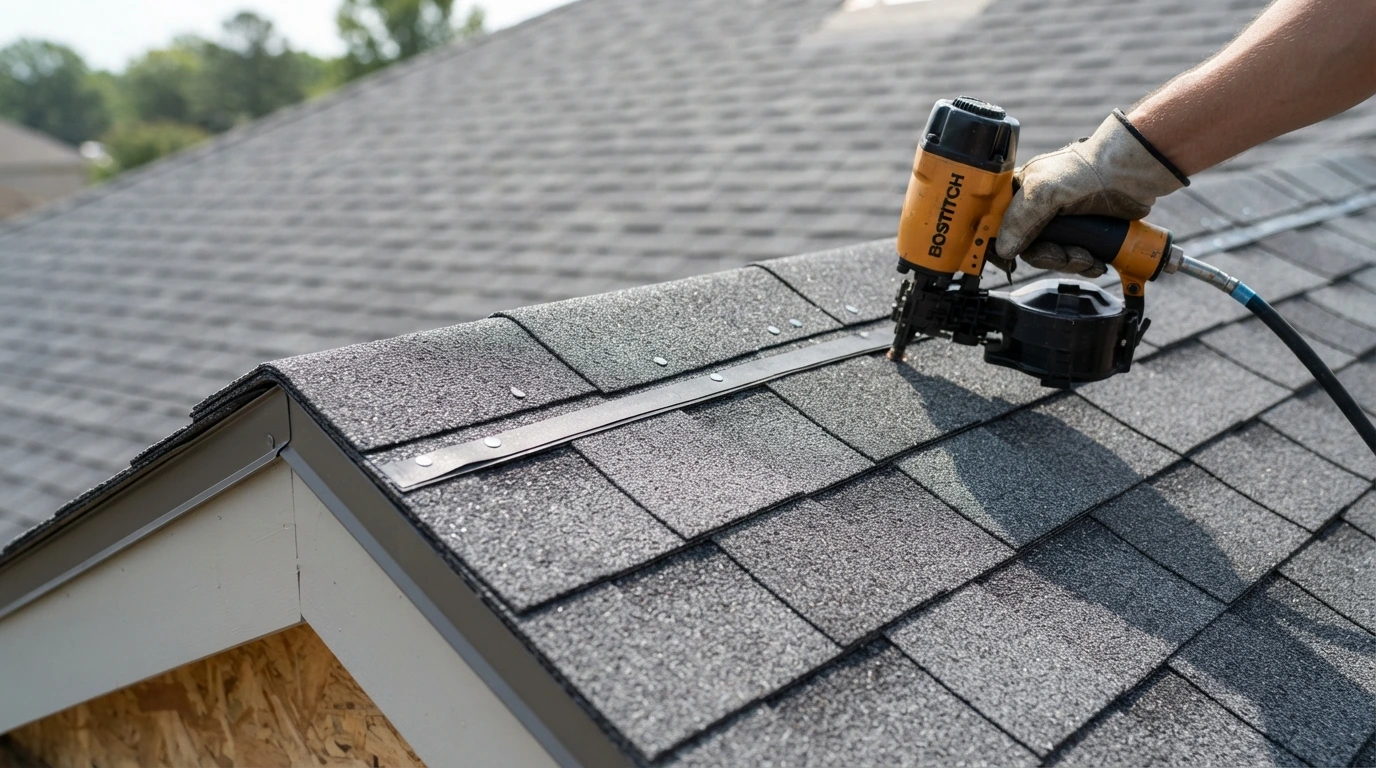
How to Choose Roofers in Columbia TN: A Homeowner’s Guide
Learning how to choose roofers in Columbia, TN protects your home, your family, and your budget. A roof replacement or […]
Read More… from How to Choose Roofers in Columbia TN: A Homeowner’s Guide

How Much Does Roof Replacement Cost? Complete Homeowner’s Guide
Replacing a roof is one of the most significant investments a homeowner can make. Knowing the factors that influence cost […]
Read More… from How Much Does Roof Replacement Cost? Complete Homeowner’s Guide
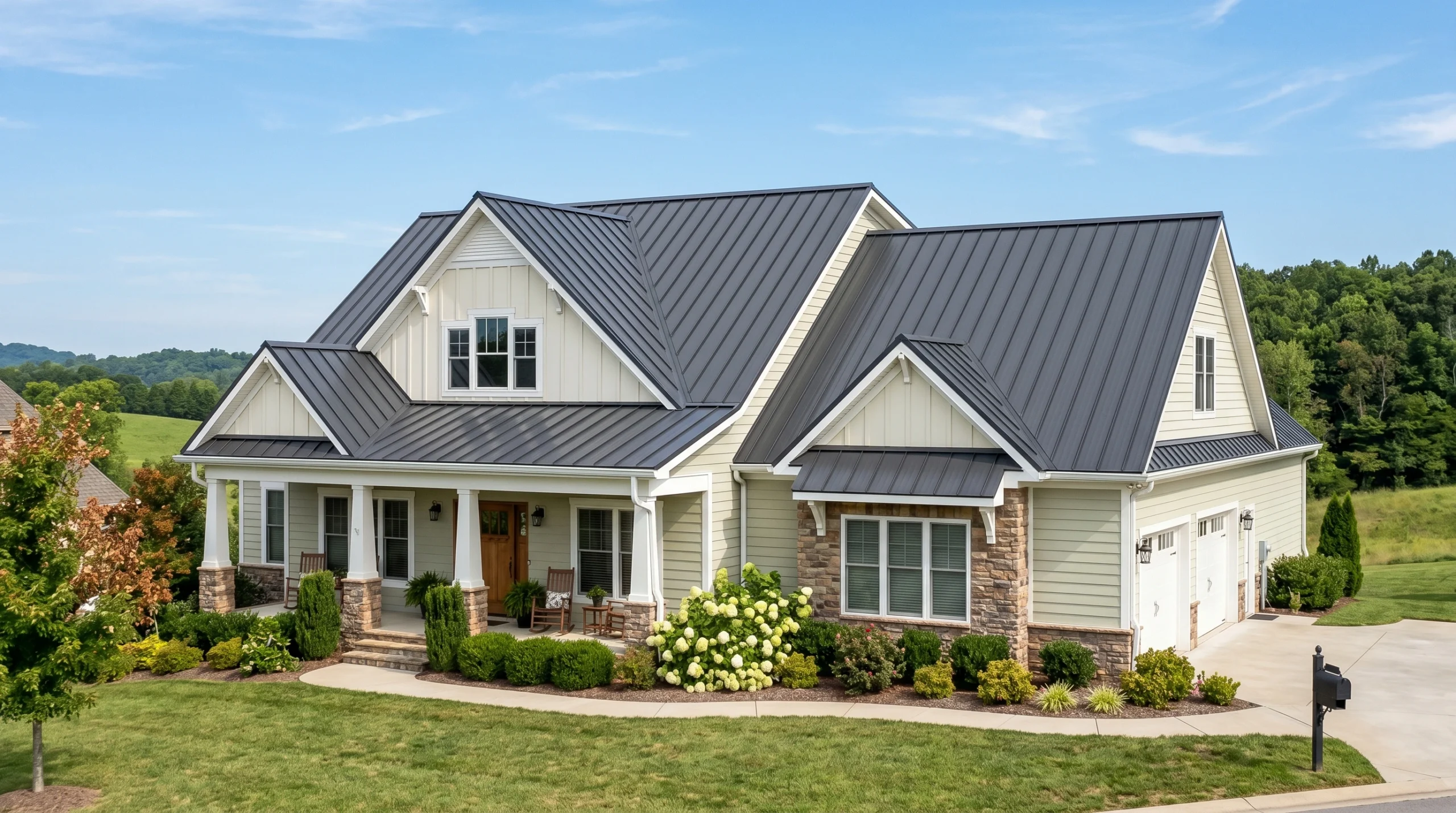
Metal Roofs for Homes: Pros, Cons, Costs & Lifespan Guide
When Tennessee homeowners look for a roofing system that delivers long term value, durability, and energy efficiency, metal roofs for […]
Read More… from Metal Roofs for Homes: Pros, Cons, Costs & Lifespan Guide