 Your roof is your home’s first line of defense against the unique weather patterns of Middle Tennessee. From the scorching summer sun to the sudden, heavy spring downpours and occasional winter ice, the roofs in Columbia, TN, face a constant battle against the elements. Over time, this relentless exposure leads to a set of predictable but manageable issues.
For homeowners in Columbia, understanding these common roof problems is the key to proactive maintenance, preventing minor issues from escalating into major, costly repairs. This comprehensive guide will walk you through the most frequent roofing challenges in our area, providing you with clear, actionable solutions to keep your roof strong, secure, and long-lasting.
Your roof is your home’s first line of defense against the unique weather patterns of Middle Tennessee. From the scorching summer sun to the sudden, heavy spring downpours and occasional winter ice, the roofs in Columbia, TN, face a constant battle against the elements. Over time, this relentless exposure leads to a set of predictable but manageable issues.
For homeowners in Columbia, understanding these common roof problems is the key to proactive maintenance, preventing minor issues from escalating into major, costly repairs. This comprehensive guide will walk you through the most frequent roofing challenges in our area, providing you with clear, actionable solutions to keep your roof strong, secure, and long-lasting.
1. Damaged or Missing Shingles
This is, without a doubt, one of the most visible and common issues we see on roofs throughout Columbia and Maury County.The Problem:
Asphalt shingles can become cracked, curled, or go missing entirely. This is often caused by:- High Winds: The strong gusts that accompany Tennessee storms can easily lift and tear shingles away.
- UV Radiation: Prolonged exposure to the sun makes shingles brittle and prone to cracking.
- Poor Installation: If shingles weren’t nailed down correctly, they are far more susceptible to wind damage.
- Aging: As shingles reach the end of their lifespan (typically 15-25 years), they simply wear out.
The Risks:
Damaged shingles compromise the waterproof integrity of your roof. They create direct pathways for water to seep into the underlying decking, leading to wood rot, mold growth, and interior water damage to your ceilings and walls.The Quick Solutions:
- For a Few Missing Shingles: A professional roofer can quickly replace individual shingles. It’s a relatively simple and inexpensive repair if caught early.
- For Widespread Damage: If the granules are significantly worn off (you’ll find them in your gutters), or if curling/cracking is widespread, a full roof replacement is often the most cost-effective long-term solution.
- DIY Check: After a major storm, safely use binoculars from the ground to scan your roof for obvious missing, cracked, or curled shingles.
2. Leaks and Water Damage
A leak is the most common symptom of an underlying roof problem. In Columbia, leaks often appear in specific areas.The Problem:
Water finds its way in through vulnerabilities. Common leak locations include:- Around Flashings: The metal pieces installed around chimneys, vents, skylights, and in roof valleys.
- Near Valleys: Where two roof planes meet, directing a large volume of water.
- At Roof Penetrations: Anywhere a pipe, vent, or antenna protrudes through the roof.
- Clogged Gutters: When water can’t flow freely, it can back up under the shingles.
The Risks:
Water damage is insidious. It can rot roof decking, destroy insulation, promote toxic mold growth, and cause unsightly stains on your interior ceilings. Left unchecked, it can compromise the structural integrity of your home.The Quick Solutions:
- Locate the Source: The water stain on your ceiling isn’t always directly below the leak. Water can travel along rafters before dripping down. Trace it back to its highest point in the attic.
- Temporary Patch: For an active leak, a roofing cement patch applied to the suspected area from the outside can be a temporary fix until a professional can assess it.
- Professional Inspection: A certified roofer can perform a water test to precisely locate the leak’s entry point and repair or replace the damaged flashing or shingles.
- Preventative Maintenance: Keep gutters clean and ensure your attic is properly ventilated to prevent ice dams in winter, a less common but severe issue in TN.
3. Poor Ventilation and Attic Condensation
This is a “silent killer” for roofs that many homeowners in Columbia don’t think about until it’s too late.The Problem:
A properly ventilated roof allows hot, moist air to escape from the attic. When it doesn’t, that trapped heat and moisture have nowhere to go. This is exacerbated by our humid climate.The Risks:
- Superheated Attics: In summer, poor ventilation can cause attic temperatures to soar to 150°F+., “cooking” your shingles from the inside out and drastically shortening their lifespan.
- Condensation: In cooler months, warm, moist air from your living space (from cooking, showers, etc.) rises into the cold attic and condenses on the underside of the roof deck. This leads to wood rot, mold, and ruined insulation.
The Quick Solutions:
- Assess Your Ventilation: Ensure you have a balanced system with intake vents (soffit vents) and exhaust vents (ridge vents, gable vents, or turbines).
- Clear Blockages: Go into your attic and make sure insulation hasn’t blocked the soffit vents, preventing air intake.
- Install Additional Ventilation: If your attic is consistently hot or shows signs of mold, consult a roofer about adding more vents. A continuous ridge vent is often the most effective solution.
4. Clogged and Damaged Gutters
Your gutter system is an integral part of your roof’s health, not just an accessory.The Problem:
Gutters get clogged with leaves, pine needles, twigs, and other debris, especially with the beautiful trees we have in Columbia. When clogged, they can’t channel water away from your roof and foundation.The Risks:
- Water Backup: Clogged gutters cause water to overflow, spilling down your siding and seeping back under the roof edge, damaging fascia boards and soffits.
- Fascia and Soffit Rot: The constant presence of water rots the wooden boards that support your gutters.
- Foundation Damage: The primary job of a gutter is to direct water away from your home’s foundation. When they fail, it can lead to basement flooding and foundation cracks.
The Quick Solutions:
- Regular Cleaning: Clean your gutters at least twice a year—once in late fall after all the leaves have dropped, and again in spring.
- Gutter Guards: Consider installing quality gutter guards to significantly reduce the amount of debris that gets into the gutters.
- Inspect and Repair: While cleaning, check for loose gutters, leaks at the seams, and ensure downspouts are securely attached and diverting water at least 5 feet away from the foundation.
5. Flashing Failures
Flashing is the thin metal material used to direct water away from critical areas where the roof plane is interrupted.The Problem:
Flashing around chimneys, vent pipes, and roof valleys can rust, crack, or become loose over time. The sealant used to secure it can also dry out and fail.The Risks:
Failed flashing is a leading cause of leaks. Because these areas are designed to handle a high volume of water, even a small gap can allow a significant amount of water into your home.The Quick Solutions:
- Visual Inspection: From the ground or a ladder, look for flashing that is bent, missing, or looks corroded.
- Re-caulking: Sometimes, a simple application of a high-quality roofing sealant can reseal a small gap around flashing.
- Replacement: If the flashing is severely damaged, it must be replaced by a professional. This often involves carefully lifting the surrounding shingles, removing the old flashing, and installing a new, properly fitted piece.
6. Moss, Algae, and Fungus Growth
The humid climate and shaded yards common in Columbia create the perfect environment for organic growth on roofs.The Problem:
Dark, damp, and shaded sections of your roof can develop black streaks (Gloeocapsa lava algae) or green moss.The Risks:
- Aesthetic Damage: Algae and moss can make a relatively new roof look old and neglected.
- Physical Damage: Moss is particularly harmful. Its root-like structures can lift shingles, breaking the seal and allowing water to penetrate. It also holds moisture against the roof surface, accelerating rot.
The Quick Solutions:
- Prevention: Install zinc or copper strips near the roof ridge. When it rains, tiny particles of these metals wash down the roof, creating an environment that inhibits moss and algae growth.
- Gentle Cleaning: Have your roof professionally cleaned with a soft wash system. Avoid power washing, as the high pressure can blast the protective granules off your asphalt shingles.
- Trim Trees: Allowing more sunlight to reach your roof will make it less hospitable for moss and algae.
7. Sagging Roof Deck
This is one of the most serious problems and requires immediate attention.The Risks:
A sagging roof can be caused by several critical issues:- Weakened Rafters or Trusses: Due to long-term water damage or wood rot.
- Overloading: The roof structure is not designed to hold excessive weight (e.g., multiple layers of new shingles over old ones, heavy snow—though rare, or a new heavy roofing material).
- Foundation Issues: In rare cases, a shifting foundation can cause the entire structure, including the roof, to sag.
The Quick Solutions:
- Immediate Professional Assessment: This is not a DIY issue. Contact a licensed and insured roofing contractor immediately. They will need to inspect the attic and the structure to determine the cause.
- Structural Repairs: The solution will involve reinforcing or replacing the damaged structural members, which is a complex and significant repair.
8. Granule Loss
Asphalt shingles are coated with ceramic granules to protect them from UV rays and add fire resistance.The Problem:
As shingles age, they naturally lose granules. You’ll see these granules accumulating in your gutters or at the end of your downspouts. Excessive granule loss after a new roof installation can indicate a manufacturing defect.The Risks:
Granules shield the asphalt coating from the sun. When they are gone, the shingle is exposed and will deteriorate much faster, leading to cracking, curling, and a significantly shortened lifespan.The Quick Solutions:
- Gutter Check: Monitor the color and amount of granules in your gutters. A large amount is a sign your roof is aging.
- Professional Evaluation: If you notice significant bald spots on your shingles, it’s time to have a roofer evaluate the remaining life of your roof. Widespread granule loss often signals the need for a replacement.
9. Issues Caused by Wildlife and Pests
Columbia’s beautiful natural surroundings mean squirrels, birds, raccoons, and insects are never far away.The Problem:
Animals can see your attic as a warm, dry, and safe place to nest.The Risks:
- Physical Damage: Squirrels and raccoons can tear up shingles, fascia, and soffits to gain entry.
- Nesting Materials: Birds and rodents will bring in nesting materials that block vents and create fire hazards near light fixtures.
- Woodpeckers: They can peck holes in wood siding and fascia.
The Quick Solutions:
- Seal Entry Points: Carefully inspect your roof line and seal any potential entry points with appropriate materials.
- Trim Branches: Keep tree branches trimmed back at least 10 feet from your roof to limit easy access for squirrels and raccoons.
- Professional Pest Control: If you have an active infestation, contact a wildlife removal service to humanely remove the animals before sealing the entry points.
Proactive Roof Maintenance Tips for Columbia, TN Homeowners
The best solution for any roof problem is to prevent it from happening in the first place. Here is a simple maintenance routine:- Biannual Inspections: Conduct a visual inspection of your roof from the ground in the spring and fall. Look for the issues mentioned above.
- Keep Gutters Clean: This cannot be overstated. It is one of the simplest and most effective forms of roof maintenance.
- Trim Overhanging Branches: This prevents damage from falling limbs, reduces debris on the roof and in gutters, and discourages pests.
- Attic Check-Ups: Periodically check your attic for signs of leaks, water stains, mold, or daylight coming through the roof boards.
- Act Fast: If you spot a problem, don’t delay. A small, inexpensive repair today can prevent a devastatingly expensive one tomorrow.
When to Call a Professional Roofer in Columbia, TN
While some minor maintenance is DIY-friendly, know when to call in the experts. Contact a local, reputable Columbia roofing contractor if you notice:- Any signs of a sagging roof.
- Multiple missing or damaged shingles.
- Visible water stains on your interior ceilings or walls.
- Granules in gutters in large quantities.
- You are uncomfortable with heights or lack the proper safety equipment.
Conclusion: Your Roof Deserves the Best Care
Your roof works hard to protect you and your family from the elements day in and day out. By understanding the most common roof problems in Columbia, TN, you are empowered to take a proactive stance in its care. Regular maintenance, timely repairs, and a partnership with a trusted local roofer will ensure your roof continues to do its job effectively, safeguarding your home and your peace of mind for decades.Reviews
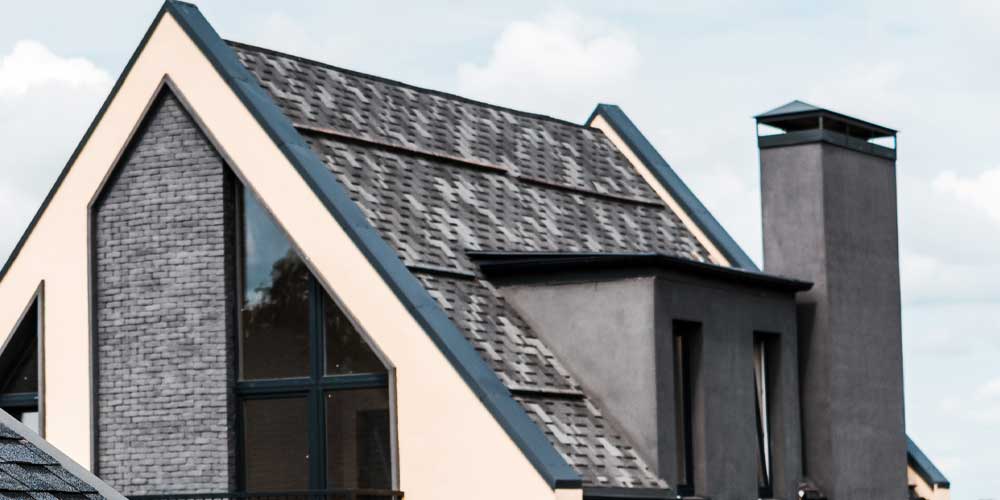
How Columbia TN’s Heat and Humidity Affect Roof Lifespan Columbia TN
How Climate Affects Roof Lifespan Columbia TN In Columbia TN, the weather is more than just a seasonal concern it’s […]
Read More… from How Columbia TN’s Heat and Humidity Affect Roof Lifespan Columbia TN

What To Do If You Hear Loud Noise In Your Attic
Hearing a loud noise in attic can be alarming for any homeowner. Homes in Middle Tennessee, from Columbia and Franklin […]
Read More… from What To Do If You Hear Loud Noise In Your Attic

TPO Roofing: The Modern, Money-Saving Choice Over Old Rubber Roofs
Introduction When you own a commercial building with a flat roof, you want a system that lasts and saves you […]
Read More… from TPO Roofing: The Modern, Money-Saving Choice Over Old Rubber Roofs